


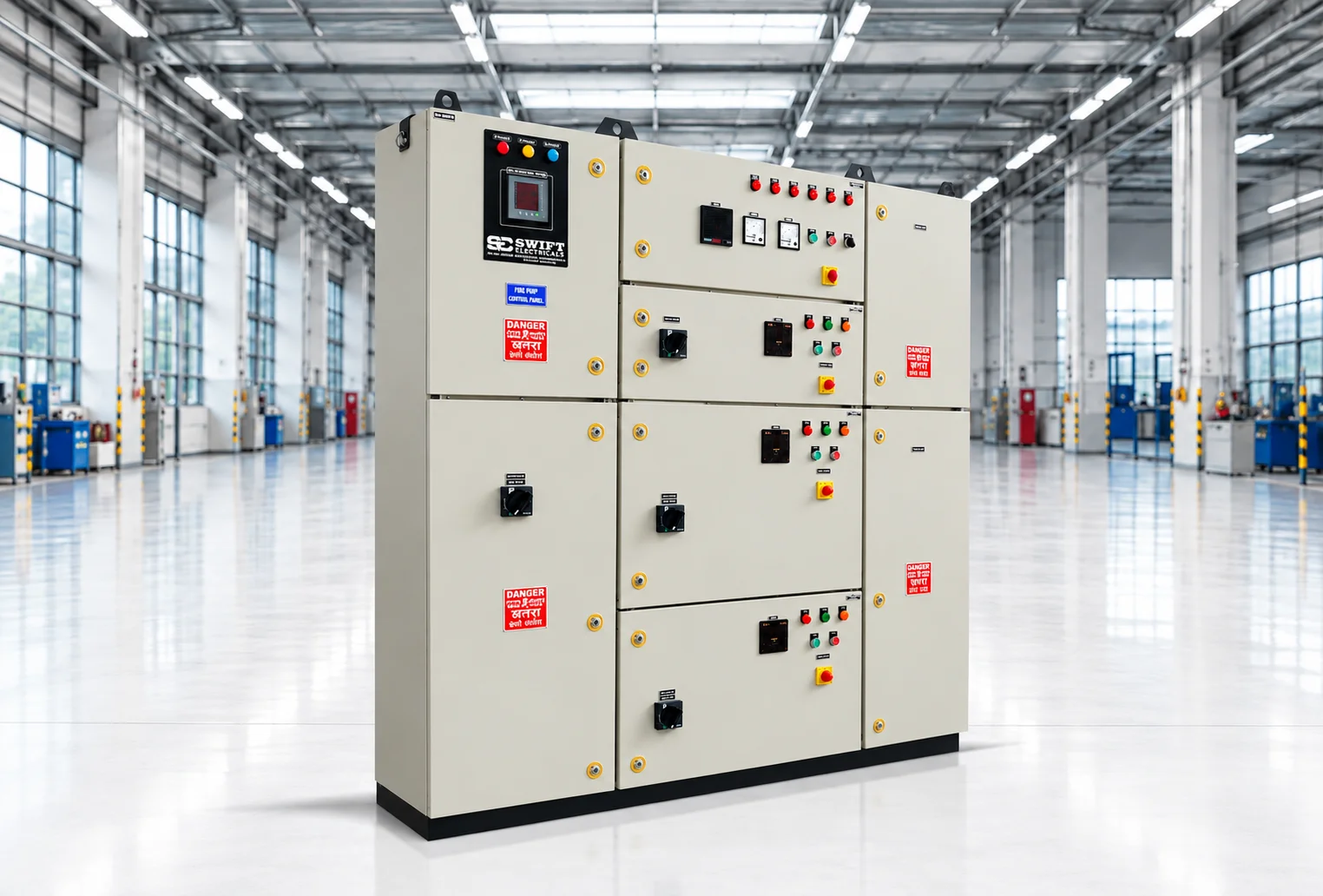
how to select PCC panel
Selecting the right Power Control Center (PCC) panel is a critical decision for any industrial or commercial facility. A PCC panel serves as the nerve center for your electrical distribution system, ensuring safe, reliable, and efficient power management. With numerous options and technical specifications to consider, making an informed choice can seem daunting. This guide will walk you through the essential factors to consider, helping you understand how to select a PCC panel that perfectly matches your operational requirements.
Understanding PCC Panels
A PCC panel, or Power Control Center panel, is a sophisticated electrical enclosure designed to control, distribute, and protect electrical power within a facility. It aggregates incoming power from a primary source and distributes it to various outgoing circuits. These panels are fundamental to the safe and organized operation of electrical systems in diverse environments, from manufacturing plants to commercial buildings.
Essentially, a PCC panel acts as a central hub. It houses essential components like circuit breakers, switches, fuses, busbars, and monitoring instruments. Its primary functions include:
- Power Distribution: Safely distributing electrical power to different sections or equipment within a facility.
- Control: Allowing operators to manage power flow, switch circuits on/off, and isolate sections when necessary.
- Protection: Safeguarding the electrical system and connected equipment from overloads, short circuits, and other electrical faults through protective devices.
- Monitoring: Providing data on power consumption, voltage, current, and power factor, enabling efficient energy management.
Understanding these core functions is the first step in determining how to select a PCC panel that meets your specific needs.
Why Proper Selection Matters
The selection of a PCC panel is not merely about choosing a box with wires; it directly impacts the operational efficiency, safety, and longevity of your entire electrical infrastructure. A poorly selected panel can lead to:
- Operational Downtime: Inadequate capacity or unreliable components can result in frequent failures and costly shutdowns.
- Safety Hazards: Incorrectly rated components or improper design can pose significant risks of electrical shock, fires, and equipment damage.
- Energy Inefficiency: Panels without features like Automatic Power Factor Correction (APFC) can lead to higher energy bills and strain on the electrical supply.
- Limited Scalability: A panel that doesn't account for future growth may require premature replacement, incurring additional costs.
Therefore, investing time and expertise in the selection process ensures optimal performance, enhances safety, and supports the long-term operational goals of your facility. Knowing how to select a PCC panel that aligns with these objectives is paramount.
Key Factors When Deciding How to Select a PCC Panel
To effectively choose a PCC panel, consider the following critical factors:
Buyer Insight: Future-Proofing Your Power
Always consider your facility's future expansion plans. Selecting a PCC panel with slightly higher capacity or modular design can save significant costs and hassle down the line compared to a premature upgrade.
Load Requirements and Capacity
Accurately determine the total power load your facility requires. This includes the sum of the power consumption of all equipment that will be connected to the panel, plus a buffer for peak demand and future additions. Overloading a panel is a major safety risk and can lead to equipment failure.
Application and Environment
The intended use and the environment where the panel will operate are crucial. Will it be in a dusty industrial setting, a corrosive atmosphere, or a clean commercial space? The enclosure rating (e.g., IP rating) must be suitable to protect the internal components from environmental factors.
Technical Specifications
Review the voltage, current, frequency, and short-circuit withstand capabilities. Ensure these specifications meet or exceed the requirements of your electrical supply and the connected loads. Compatibility with existing infrastructure is key.
Safety Features and Protection
Prioritize panels with robust safety features. This includes high-quality circuit breakers, overload relays, earth leakage protection, and surge protection devices. Compliance with relevant industry safety standards is non-negotiable.
Efficiency and Power Factor Correction
Consider panels equipped with Automatic Power Factor Correction (APFC) systems. Improving power factor can reduce energy costs and enhance the overall efficiency of your electrical system. This is especially important for facilities with significant inductive loads.
Automation and Monitoring Capabilities
Modern PCC panels can offer advanced monitoring and automation features. Options like remote monitoring, data logging, and integration with Building Management Systems (BMS) can provide greater control, predictive maintenance capabilities, and operational insights.
Applications and Use Cases
PCC panels are indispensable across a wide spectrum of industries and applications. Understanding these uses can help clarify your specific needs when you learn how to select a PCC panel.
| Industry/Application | Primary Role of PCC Panel | Key Considerations |
|---|---|---|
| Manufacturing Plants | Distributing power to machinery, production lines, and auxiliary systems. | High load capacity, robust protection, potential for automation. |
| Commercial Buildings (Offices, Malls) | Powering lighting, HVAC systems, elevators, and various outlets. | Reliability, energy efficiency (APFC), safety for occupants. |
| Data Centers | Providing stable and redundant power to critical IT infrastructure. | High availability, precise power control, advanced monitoring, fault tolerance. |
| Hospitals and Healthcare Facilities | Ensuring uninterrupted power for life-support systems, lighting, and equipment. | Extreme reliability, backup power integration, comprehensive protection. |
| Infrastructure Projects (Water Treatment, Airports) | Powering pumps, control systems, lighting, and operational equipment. | Durability, environmental resistance, specific control functionalities. |
Benefits of a Well-Selected PCC Panel
Choosing the right PCC panel brings significant advantages to your operations:
- Enhanced Safety: Minimizes risks of electrical accidents and protects personnel and assets.
- Improved Reliability: Ensures consistent power supply, reducing costly downtime and production losses.
- Optimized Energy Efficiency: Features like APFC can lead to substantial savings on electricity bills.
- System Longevity: Protects connected equipment from electrical stresses, extending its operational life.
- Operational Control: Provides better oversight and management of power distribution through monitoring and automation.
- Scalability: A well-chosen panel can accommodate future growth and changes in power demand.
The Swiftkon Electromech Advantage
At Swiftkon Electromech Pvt. Ltd., we understand the critical role a PCC panel plays in your operations. Since 2010, we have specialized in designing and manufacturing high-quality electrical control panels that prioritize reliability, safety, and efficiency. We offer tailor-made PCC panel solutions engineered to meet your specific application needs, load requirements, and technical specifications. Our commitment to quality means every panel undergoes detailed inspection and rigorous electrical performance testing before dispatch, ensuring dependable operation right from the start.
Whether you require standard power distribution or advanced automation and monitoring solutions, Swiftkon provides expert engineering and a customer-centric approach. We ensure that the PCC panels we deliver are not just components, but integral parts of a robust and efficient electrical system. When you need to know how to select a PCC panel, partnering with Swiftkon means gaining a solution built for performance and peace of mind.
Questions to Ask Before Buying a PCC Panel
Before making your final decision on how to select a PCC panel, engage with your supplier by asking these essential questions:
What is the total connected load, and what is the peak demand anticipated?
Understanding your load profile is crucial for sizing the panel correctly. Ensure the supplier can help you accurately calculate this.
What are the specific safety standards and certifications the panel complies with?
Verify that the panel meets all relevant national and international safety regulations for your region and application.
What level of protection is included (e.g., overload, short circuit, earth leakage)?
Clarify the types and ratings of protective devices integrated into the panel.
Does the panel offer options for power factor correction or energy monitoring?
Inquire about features that can enhance energy efficiency and provide operational insights.
What is the expected lifespan and maintenance schedule for the panel and its components?
Understand the long-term operational and maintenance requirements.
Can the panel be customized to include specific automation or remote monitoring features?
Discuss the possibility of integrating advanced control and monitoring systems tailored to your needs.
Frequently Asked Questions
What is the difference between an MCC and a PCC panel?
While both are power distribution panels, an MCC (Motor Control Center) is specifically designed to house motor starters and controls for multiple motors, whereas a PCC (Power Control Center) distributes power to various feeders and equipment, including motors, lighting, and HVAC systems.
How important is the enclosure's IP rating for a PCC panel?
The Ingress Protection (IP) rating indicates how well the panel's enclosure protects internal components from dust and water. It's crucial for ensuring the panel's longevity and safe operation, especially in harsh industrial environments.
Can a PCC panel be used for backup power applications?
While a standard PCC panel distributes primary power, it can be designed to integrate with Automatic Transfer Switches (ATS) and backup power sources like generators to manage the transition during power outages.
What does it mean for a PCC panel to be 'tailor-made'?
A tailor-made PCC panel is custom-designed and manufactured to meet the unique specifications, load requirements, and operational needs of a specific client or application, rather than being a standard off-the-shelf product.
Conclusion
Selecting the right PCC panel is a strategic decision that underpins the safety, reliability, and efficiency of your facility's electrical system. By carefully evaluating your load requirements, application specifics, necessary safety features, and desired advanced capabilities, you can make an informed choice. Understanding these factors ensures that your PCC panel will perform optimally, protect your valuable equipment, and support your operational goals for years to come. Partnering with experienced manufacturers like Swiftkon Electromech Pvt. Ltd. can provide the expertise needed to navigate these complexities and ensure you get a customized solution that perfectly fits your needs.
Ready to Select Your Ideal PCC Panel?
Ensure your operations are powered by a reliable and efficient system. Contact Swiftkon Electromech Pvt. Ltd. today to discuss your specific requirements and get a tailor-made PCC panel solution engineered for your needs.
